
TM-1-1500-344-23-2
AIRCRAFT VOLUME II
TECHNICAL MANUAL; CLEANING AND CORROSION CONTROL
APRIL 2009








TM-1-1500-344-23-2 - Page 75 of 240
NAVAIR 01-1A-509-2
TM 1-1500-344-23-2
15 April 2009
sealants, fasteners, dirt, grease, and debris. Plugging a
single drain hole or altering the attitude of the aircraft
can cause a serious structural defect if salt water or
other corrosives remain for any appreciable length of
time in one of these entrapment areas. Daily inspection
and cleaning of low point drains is a standard
requirement. These areas may accumulate water
following washing or rinsing of aircraft. Where this is a
recurring problem, procedures shall be developed to
prevent water accumulation.
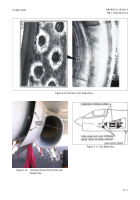
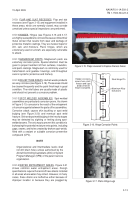
3-5.15.WHEEL WELL AREAS. Wheel well areas
probably receive more abuse than any other area on the
aircraft (see Figure 3-22). They are exposed to mud,
salt, gravel, and other flying debris from runways during
taxiing, takeoff, and landing, and they are exposed to
salt water and spray when aircraft are parked aboard
ship. Because of the many complicated shapes,
assemblies, and fittings in the area, complete coverage
with protective coatings is difficult to maintain.
3-5.16.WING-FOLD JOINTS AND LEADING EDGES
OF WINGS AND CONTROL SURFACES.
a. Because wing and fin-fold areas are vulnerable to
corrosive attack when the wings are folded, they require
special attention (see Figure 3-23).
b. Both leading edges of wings and control surfaces
are constantly exposed to salt laden air, thus special
attention should be given to these areas which are
vulnerable to corrosion.
Figure 3-22. P-3 Nose Landing Gear Wheel Well
Figure 3-23. Wing Fold Joint
3-15/(3-16 Blank)

Back to Top


